



LDL and PDP Damping Layers for Multilayer Structures
Structure-Borne Sound Damping through a Purpose-Designed Sandwich Construction
The LDL and PDP damping layers are installed between two rigid component layers. When the structure vibrates, the bonded layers are deformed relative to one another. The viscoelastic interlayer dissipates part of the vibration energy in the process.
This can reduce vibration decay, panel drumming and the transmission of structure-borne sound in metal, wood, plasterboard and composite structures.
OTO Akustiktechnik supplies LDL and PDP as products from our long-standing partner Antiphon AB. The most suitable material depends on the construction, the materials used and the intended processing method.
LDL – Self-Adhesive Damping Layer
LDL is a double-sided self-adhesive damping layer. Both adhesive surfaces are protected by release paper before processing.
The material is installed between an existing component and an additional face sheet or counter layer. This creates a multilayer sandwich construction for structure-borne sound damping.
PDP – Thin Damping Layer for Composite Structures
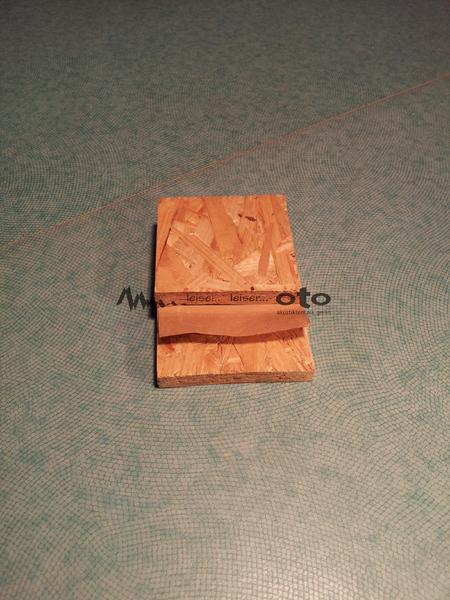
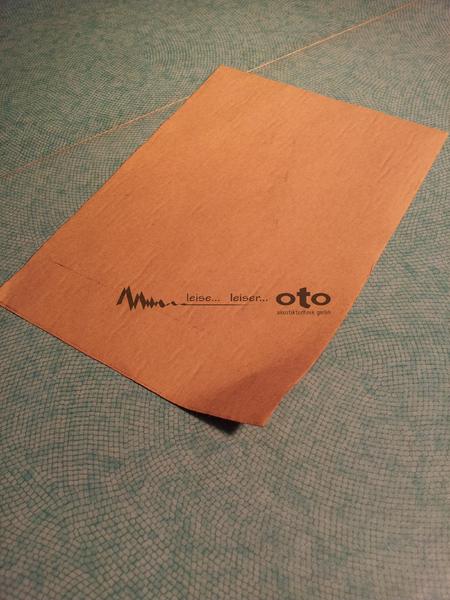
PDP consists of a paper-based carrier material with an internal viscoelastic damping layer.
The material is bonded over its entire surface between two suitable component layers and then pressed. PDP is particularly suitable for wood, plasterboard, GRP and other multilayer composite structures.
LDL for Metal, Wood and Panel Structures
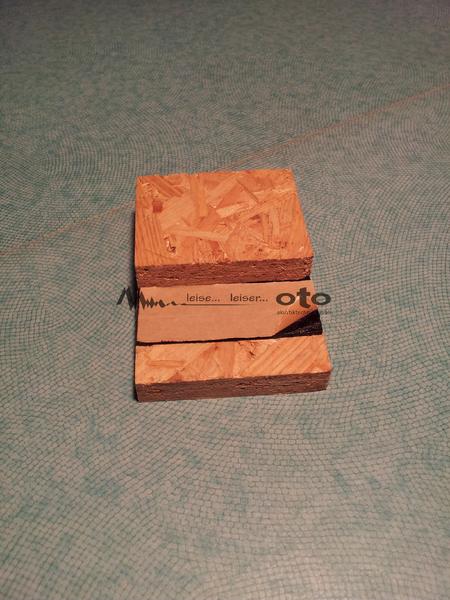

LDL is the same material for metal, wood and panel structures. The two available data sheets merely describe different application focuses and processing examples.
Typical Applications of LDL
- machine guards and enclosures
- thick-walled steel sections and pipes with an additional face sheet
- floor plates, platforms and loading ramps
- stairs and walkable structures
- wood and wood-based panel constructions
- double-layer plasterboard walls and ceilings
- floors in buses and rail vehicles
- enclosures for high-quality loudspeaker systems
LDL Supply Data
Full sheet size: approx. 1,020 × 1,020 mm
Material thickness: approx. 1.8 mm
Version: double-sided self-adhesive with release paper
Processing: custom-cut and die-cut parts available on request
The self-adhesive backing simplifies installation, but does not replace a suitable mechanical connection between the face layers in structurally loaded components.
Open the LDL data sheet – metal applications
Open the LDL data sheet – wood applications
PDP for Wood, GRP and Composite Structures
Typical Applications of PDP
- multilayer wood structures
- interior fittings and furniture constructions
- enclosures and shelving systems for high-quality audio applications
- plasterboard and panel structures
- GRP panels and laminates
- boatbuilding and shipbuilding
- containers made from composite materials
- floors and other multilayer components
PDP Supply Data
Form of supply: roll material
Roll width: approx. 1.24 m
Roll length: approx. 300 m
Roll area: approx. 372 m²
Viscoelastic damping layer: approx. 100 µm
Differences between LDL and PDP
LDL Is Particularly Suitable When …
- a self-adhesive damping layer is required,
- an existing component is to be supplemented with a counter layer,
- metal, wood or panel structures are to be damped,
- custom-cut or die-cut parts are required.
PDP Is Particularly Suitable When …
- a particularly thin interlayer is required,
- the component layers are already to be bonded and pressed,
- wood, GRP or other composite structures are being manufactured,
- larger areas are to be processed from roll material.
LDL Processing Instructions
For a reliable bond, both component surfaces must be clean, dry and free from oil, grease, dust and other residues.
- clean the component surfaces thoroughly
- apply LDL without folds or trapped air
- position the second component layer completely
- press the entire composite evenly over its full surface
- pay particular attention to edges and perimeter areas
- observe the processing instructions in the relevant data sheet
PDP Processing Instructions
PDP does not have a self-adhesive backing. The component layers must be bonded over their entire surface using an adhesive suitable for the materials and application, and then pressed sufficiently.
The adhesive, pressing pressure, pressing time and other processing conditions must be adapted to the respective component construction. The technical instructions in the data sheet must be observed.
Custom Sandwich Structures
LDL or PDP can be used to supplement different base materials and create a structure-borne sound-damping composite. Important factors affecting performance include the stiffness and thickness of the face layers, the size of the component, the type of excitation and the correct bonding of the individual layers.
If your application requires a fully manufactured metallic sandwich sheet, our OTO-Akustikblech may be the more suitable solution.
If, however, you require a damping layer for an existing or self-manufactured composite structure, we will assess the use of LDL or PDP together with you.
Request LDL or PDP for your application
View additional applications